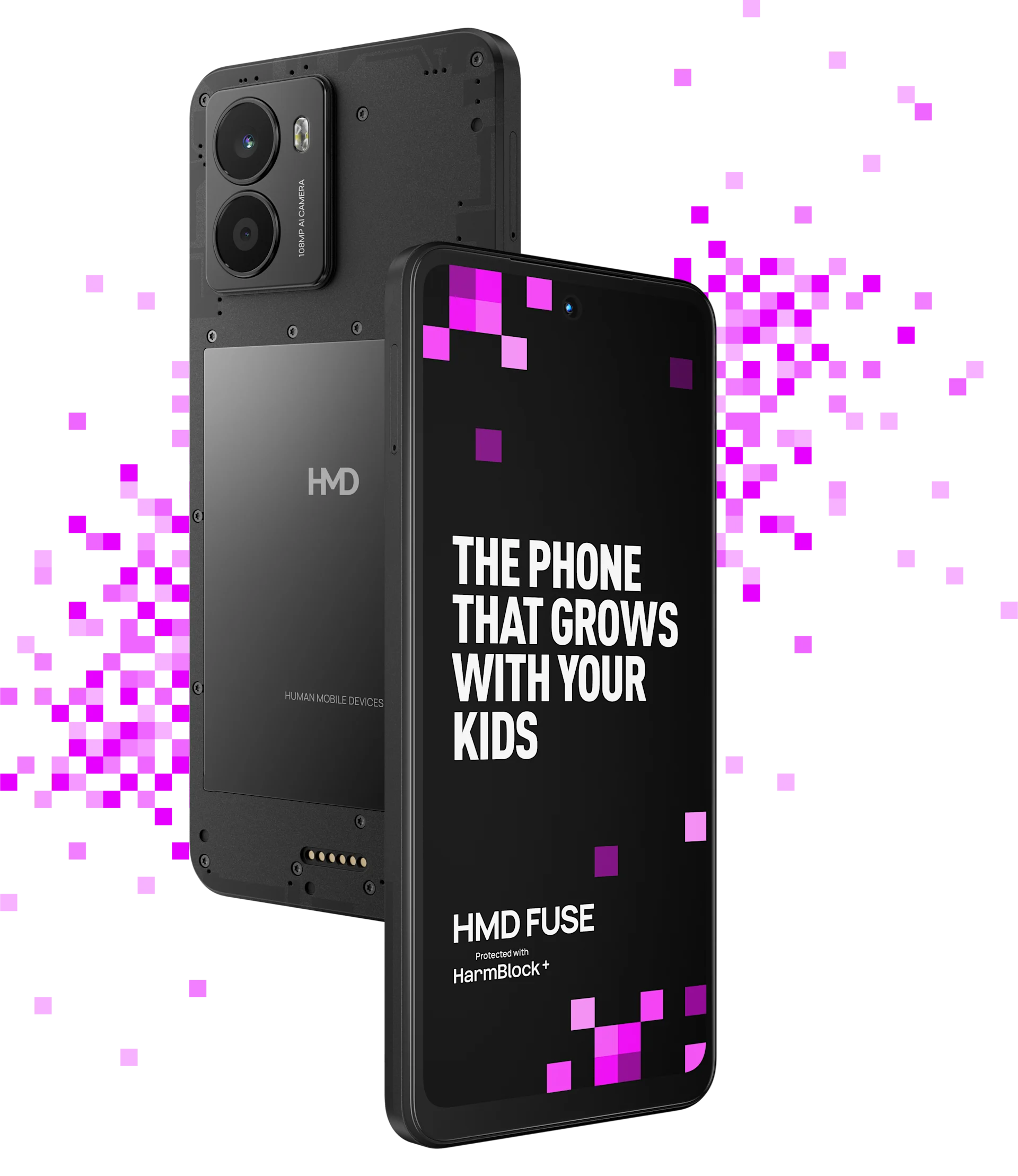
The Evolution of Mobile Technology: From Brick Phones to Pocket Computers
The journey of mobile technology has been nothing short of revolutionary, beginning with the hefty brick phones of the 1980s. These early devices, often weighing over two pounds, were primarily used for making calls, offering minimal features beyond basic communication. As technology advanced, the introduction of more compact designs led to the development of flip phones and slide phones in the late 1990s and early 2000s, giving users greater convenience and portability. The shift from analog to digital technology paved the way for better call quality and the integration of SMS capabilities, marking a significant turning point in the evolution of mobile devices.
The launch of smartphones in the late 2000s ushered in a new era for mobile technology. With the introduction of touchscreens, app stores, and high-speed internet connectivity, devices transitioned from simple communication tools to powerful pocket computers. Today’s smartphones offer an extensive array of functionalities, including navigation, social media, photography, and even mobile payments. As we look toward the future, innovations such as 5G connectivity and foldable screens promise to further enhance our mobile experience, solidifying the smartphone's place at the center of our daily lives.
Counter-Strike is a popular first-person shooter game that pits teams of terrorists against counter-terrorists in various objective-based scenarios. It has evolved over the years, with many iterations, including the highly acclaimed Counter-Strike: Global Offensive. Players often seek ways to improve their gaming performance, which can include having the right hardware, such as finding the Top 10 Fast Chargers for Android Devices to ensure their gear is always ready for action.
How Smartphones Changed Our Daily Lives: A Closer Look at Their Impact
The advent of smartphones has undeniably revolutionized the way we navigate our daily lives. From instant communication to access to information at our fingertips, smartphones have transformed our routines in ways we could have scarcely imagined a couple of decades ago. People now rely on their devices not just for calling or texting, but for a plethora of activities including:
- Online shopping, allowing for seamless purchases from the comfort of home.
- Social media, connecting us with friends and family across the globe.
- Navigation, enabling us to easily find directions and discover new places.
Moreover, smartphones have changed the way we consume media and stay informed. Gone are the days when we had to wait for the evening news or flip through a newspaper to get our daily fix of information. With just a few taps, we can now access news articles, video content, and even live-streamed events. This shift has not only altered our consumption habits but has also impacted our attention spans and the way we engage with content. In essence, smartphones have become an inseparable part of our lives, reflecting both the advancements in technology and our evolving societal norms.
Are We Addicted? Understanding the Psychological Effects of Mobile Phone Usage
In today's digital age, our mobile phone usage has become an integral part of daily life, prompting many to question: are we addicted? This obsession with our devices often stems from the psychological effects they have on our minds. Research indicates that the design of mobile applications, with their endless notifications and instant gratification, can lead to behavioral dependency. Psychologists assert that the dopamine released when we receive a like or a new message creates a cycle that keeps us returning for more. As we cultivate habits around mobile phone usage, it becomes vital to understand the profound impacts this can have on our mental well-being.
Moreover, prolonged mobile phone usage can lead to various mental health issues. For instance, studies suggest a correlation between excessive screen time and increased levels of anxiety and depression. Individuals may find themselves constantly checking their phones, even in social situations, leading to a decline in face-to-face interactions. This cycle not only affects personal relationships but also diminishes overall life satisfaction. To combat this, experts recommend setting boundaries for mobile usage, such as establishing 'phone-free' periods and reducing app notifications to regain control of our lives and foster healthier relationships with our technology.