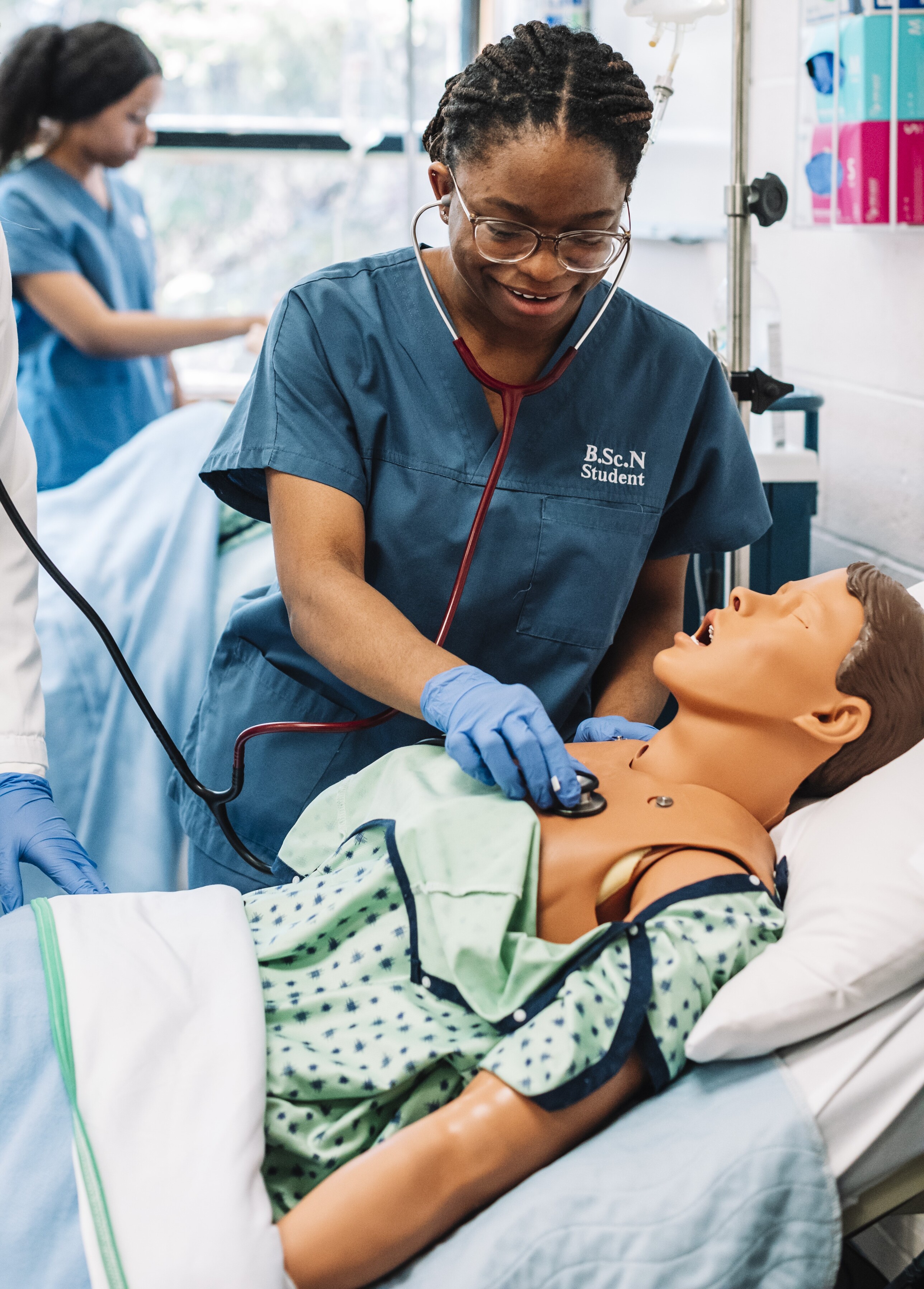
The Heart of Healthcare: Understanding the Role of Compassion in Nursing
In the ever-evolving landscape of healthcare, compassion in nursing stands as a cornerstone of effective patient care. Nurses are often the primary caregivers who spend the most time with patients, and their ability to demonstrate empathy can significantly impact a patient's recovery experience. Studies have shown that when nurses engage with patients by actively listening and offering support, it fosters a sense of trust and safety. This connection not only improves patient satisfaction but also enhances clinical outcomes, highlighting the vital role that compassion plays in the nursing profession.
Moreover, the integration of compassion in nursing extends beyond the patient-nurse interaction. It promotes a positive work environment, reducing burnout and increasing job satisfaction among healthcare professionals. As nurses embody compassion in their daily practice, it inspires a culture of kindness within healthcare teams, encouraging collaboration and mutual respect. This ripple effect ultimately leads to better healthcare delivery, demonstrating that compassion is not just an emotional response but a critical element of effective nursing care.
Counter-Strike is a highly popular first-person shooter game that pits teams of terrorists against counter-terrorists in various objective-based scenarios. With its tactical gameplay and emphasis on teamwork, it has become a staple in the esports community. For those looking to find out more about efficient products for new parents, check out the Top 10 Fast Bottle Warmers, which can make feeding more convenient.
Navigating the Storm: Strategies for Maintaining Calm in Chaotic Healthcare Environments
In today's fast-paced world, chaotic healthcare environments can challenge even the most seasoned professionals. To successfully navigate the storm, it's crucial to develop effective strategies that promote calmness and resilience. One effective approach is to establish a prioritized task list that helps team members focus on the most urgent needs. Consider implementing daily briefings using structured communication techniques to ensure all staff are aligned and informed. This not only fosters teamwork but also minimizes misunderstandings that can exacerbate chaos.
Another key strategy is cultivating emotional intelligence among staff. Encouraging healthcare workers to practice mindfulness techniques, such as deep breathing or meditation, can significantly enhance their ability to maintain calm in high-pressure situations. Furthermore, creating a supportive work culture that emphasizes peer support and open communication will empower employees to share their concerns and seek assistance when needed. By proactively addressing both personal and team dynamics, healthcare providers can create a more resilient workforce prepared to tackle the challenges of a tumultuous healthcare landscape.
What It Takes: Essential Skills for Thriving in Fast-Paced Nursing Situations
In the dynamic world of healthcare, nurses often find themselves in fast-paced situations that demand quick thinking and adaptability. To thrive in these environments, several essential skills come into play. First and foremost, critical thinking is vital; nurses must rapidly assess patient needs and prioritize tasks effectively. Additionally, strong communication skills are necessary to collaborate with healthcare teams and convey vital information clearly, ensuring patient care is not compromised.
Moreover, emotional resilience is another key skill for nurses working in high-pressure situations. This involves maintaining composure amidst chaos and supporting patients and families during challenging times. Time management also plays a significant role; being able to juggle multiple responsibilities while delivering quality care is essential. By honing these skills, nurses can not only survive but truly thrive in the fast-paced realm of nursing.