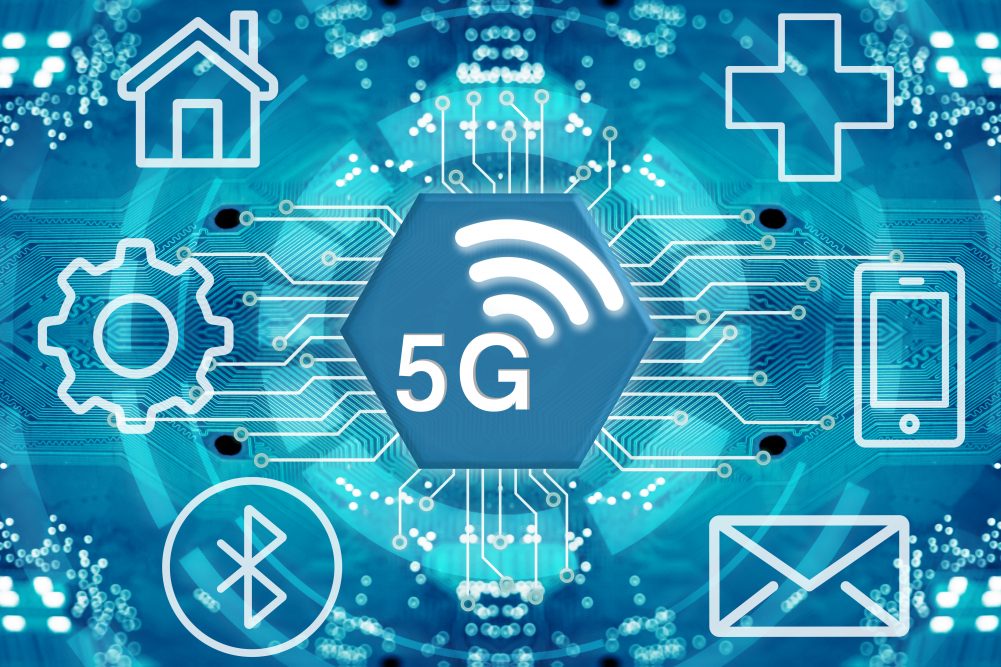
How Wireless Technology Transforms Daily Life: A Deep Dive
The advent of wireless technology has significantly reshaped our daily lives, enhancing both convenience and connectivity. From smartphones to smart home devices, the shift from wired to wireless systems has allowed us to enjoy seamless communication and control within our environments. Whether it's streaming music without the hassle of cables or controlling household appliances with a simple voice command, the integration of wireless technology has made our routines more efficient. This transformation is not merely technological; it influences how we interact with each other and manage our time, reinforcing the importance of being connected in today's fast-paced world.
The impact of wireless technology extends beyond personal convenience, positively affecting various sectors such as education, healthcare, and business. For instance, in education, wireless technology facilitates remote learning, enabling students from different geographical locations to access quality resources and learn collaboratively. In healthcare, innovations like telemedicine allow patients to consult healthcare professionals from the comfort of their homes, making healthcare more accessible. Furthermore, businesses leverage wireless technology to streamline operations, improve communication, and foster collaboration among teams, ultimately driving productivity and innovation. The ongoing evolution of this technology promises even greater enhancements to our daily life, making it a vital aspect of modern society.
Counter-Strike is a popular first-person shooter game that has gained a massive following since its release. Players can engage in thrilling multiplayer matches, where teamwork and strategy are key to victory. The game also features various modes, including bomb defusal and hostage rescue, keeping the gameplay fresh and exciting. If you're looking for some essential tech accessories, check out the Top 10 Wireless Chargers for Pixel Devices to stay charged during your gaming sessions.
The Science Behind Wireless Connectivity: Understanding the Invisible Forces
Wireless connectivity relies on a variety of invisible forces that facilitate communication between devices without physical connections. At its core, this technology leverages radio waves, a type of electromagnetic radiation, to transmit data. These waves can transmit information over varying distances, making wireless communication versatile for applications ranging from Wi-Fi in homes and offices to cellular networks that connect smartphones globally. The science behind wireless connectivity involves understanding how these waves interact with different materials and the environment, impacting their range and quality.
Moreover, the operation of wireless technology is governed by specific principles such as frequency, wavelength, and modulation techniques. Different frequencies allow for varying bandwidths, which directly influence the amount of data transmitted at a time. For example, 2.4 GHz and 5 GHz bands are commonly used in Wi-Fi networks, where the former offers greater range but lower speed, while the latter provides faster data transfer over shorter distances. Understanding these variables is essential for optimizing wireless connectivity and harnessing the full potential of invisible forces that connect our world.
Frequently Asked Questions About Wireless Technology: What You Need to Know
Wireless technology has revolutionized the way we communicate and access information. As more devices become interconnected through the Internet of Things (IoT), many people have questions about how this technology works and its implications. Here are some frequently asked questions:
- What is wireless technology? Wireless technology refers to the transmission of data or power through the air using radio waves or infrared signals, eliminating the need for physical cables.
- What are the benefits of wireless technology? One of the key advantages is mobility; users can access information and communicate without being tethered to a specific location. Moreover, it enables easier installation and scalability for networks.
Aside from these foundational questions, many users are concerned about security in wireless communications. Here’s some insight:
How secure is wireless technology? While wireless networks can be secure, vulnerabilities do exist. It is essential to implement strong passwords, enable encryption, and regularly update your devices to safeguard personal information from potential threats.
For anyone interested in using wireless technology, understanding these core concepts and practices is crucial for maximizing its benefits while minimizing risks.