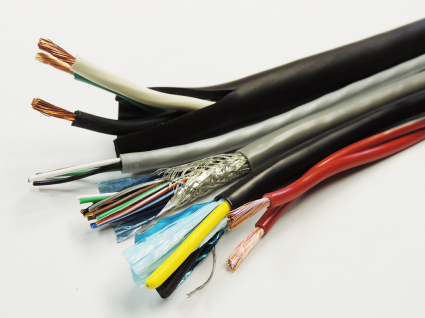
The Unsung Role of Cables in the Digital Age
In the rapidly evolving digital age, the significance of cables often gets overshadowed by the allure of wireless technologies. However, cables play an unsung but crucial role in ensuring seamless and reliable connectivity for various devices. From fiber optic cables enabling high-speed internet access to HDMI cables delivering pristine audio and video quality, the backbone of our modern digital experiences relies heavily on the performance and quality of these physical connections. Without them, streaming your favorite series or engaging in online gaming would be fraught with lag and interruptions.
Furthermore, the importance of cables extends beyond mere connectivity; they are vital for infrastructure, especially in data centers and telecommunications. High-density cabling systems facilitate efficient data transmission and are essential for maintaining network performance. As we move towards an increasingly interconnected world, understanding the role of cables helps demystify the complex web of technologies that govern our daily lives. This awareness not only highlights their importance but also encourages innovations in cable technology, paving the way for a more robust digital future.
Counter-Strike is a popular multiplayer first-person shooter game where teams of terrorists and counter-terrorists compete to complete objectives. Players engage in tactical gameplay, utilizing real-world weapons and strategies to outsmart their opponents. For those who travel frequently, having the right gear is crucial, so check out the Top 10 Travel Electronics Organizers to keep your electronics organized on the go.
How Fiber Optics Revolutionized Data Transmission
Fiber optics have dramatically transformed the landscape of data transmission, emerging as a superior alternative to traditional copper wiring. With the ability to transmit data at the speed of light, fiber optic technology enables faster and more efficient communication across vast distances, making it the backbone of modern internet infrastructure. The key advantage of fiber optics lies in their ability to carry a massive amount of data simultaneously, providing bandwidth that far exceeds that of conventional methods. As a result, industries such as telecommunications, broadcasting, and internet service providers have increasingly adopted fiber technology to meet the growing demand for high-speed connectivity.
One of the most significant impacts of fiber optics is the enhancement of global communication networks. By utilizing light to transmit information, fiber optic cables can cover long distances without the need for repeated signal amplification, reducing latency and improving overall data integrity. Additionally, fiber optics are less susceptible to electromagnetic interference, ensuring a more stable connection that is crucial for applications such as video conferencing and online gaming. As more regions worldwide embrace fiber optic solutions, we can expect a further evolution in data transmission capabilities, paving the way for innovative technologies in various fields.
What Makes a Good Cable: Understanding Quality and Performance
When it comes to choosing the right cable for your needs, quality and performance are paramount. A good cable should be constructed from high-grade materials, such as oxygen-free copper, which helps reduce signal loss and ensures a cleaner transmission. Additionally, features like shielding and insulation play a critical role in protecting against interference. For instance, cables with multiple layers of shielding can block out electromagnetic interference (EMI), which is essential for maintaining signal integrity, especially in environments with numerous electronic devices.
Another key aspect to consider is the performance rating of the cable. Look for certifications such as UL or CE, which indicate that the cable meets strict guidelines for safety and efficiency. Furthermore, it's crucial to choose the correct type of cable based on your specific application, whether it's for audio, video, or data transfer. For example, HDMI cables designed for high-definition video should support the latest HDMI standards to provide the best possible image quality. Ultimately, investing in a high-quality cable will enhance your overall experience and ensure that your devices perform at their best.