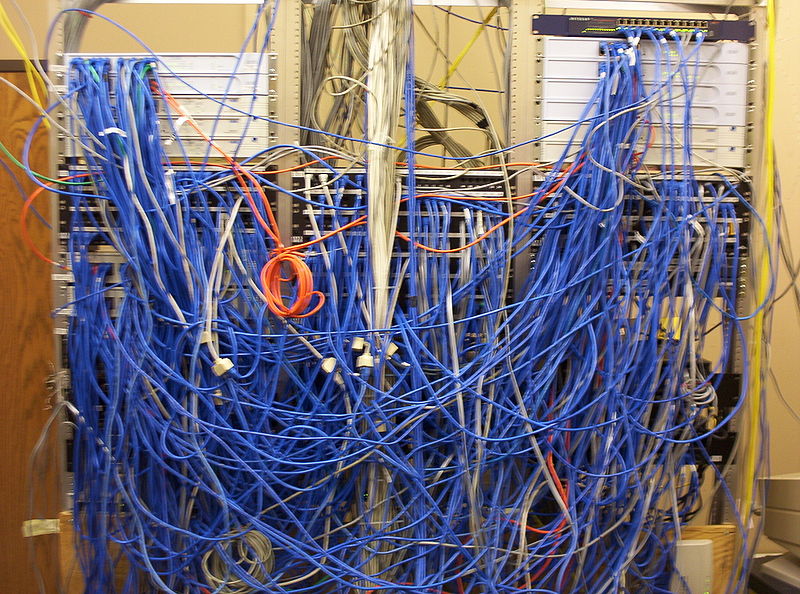
5 Essential Tips for Cable Care: Giving Your Cables the Spa Treatment They Deserve
Caring for your cables is not just about keeping them tidy; it’s about extending their lifespan and ensuring optimal performance. Here are 5 essential tips for cable care that will give your cables the spa treatment they deserve. First, always make sure to untangle your cables with patience. Rushing through the process can cause frays or damage that compromise their functionality. Additionally, consider using cable organizers to neatly store your cables when they’re not in use. This helps to avoid unnecessary wear and tear.
Next, make it a habit to clean your cables regularly. Dust and grime can build up over time, leading to poor connections and reduced performance. Use a microfiber cloth and, if necessary, a bit of isopropyl alcohol to gently wipe down your cables. After cleaning, ensure they are completely dry before reconnecting them. Finally, always handle your cables with care—avoid yanking them out of plugs and try to unplug them from their base rather than pulling from the cord itself. Following these tips will ensure your cables receive the care they need for longevity.
Counter-Strike: A Classic Shooter
Counter-Strike is a popular first-person shooter that has captivated millions of players worldwide since its release. It features two teams, terrorists and counter-terrorists, competing in objective-based gameplay. For gaming on the go, you might want to check out some of the Top 10 apple vision pro travel accessories to enhance your experience.
The Ultimate Guide to Cable Management: How to Keep Your Wires Happy and Tangle-Free
Effective cable management is essential for creating a neat and organized workspace. Not only does it enhance the aesthetic appeal of your environment, but it also minimizes the risk of accidents caused by tangled wires. To get started, consider implementing these effective strategies:
- Use cable ties: Group your cables together and secure them with reusable cable ties or velcro straps. This prevents them from tangling and makes them easier to manage.
- Label your cables: Take the time to label each cable to easily identify their functions. This will save you from the headache of tracing back connections in the future.
- Incorporate cable sleeves: Consider using cable sleeves to further conceal and protect your wires. Not only do they keep cables organized, but they also add a professional look to your setup.
Maintaining tangle-free cables goes beyond just organizing your wires. Regular maintenance and inspection are crucial to ensure longevity. Here are some tips to keep your cables in top condition:
- Avoid over-bending: Steer clear of bending your cables sharply, as this can lead to internal damage.
- Keep them off the ground: Elevate your cables off the ground to reduce wear and tear caused by foot traffic.
- Store unused cables properly: For cables that aren’t in use, coil them neatly and store them in a safe location to prevent tangling.
Why Regular Maintenance is Key: Understanding the Lifespan of Your Cables
Understanding the significance of regular maintenance for your cables cannot be overstated. Cables are essential components in both residential and commercial setups, ranging from power distribution to data transmission. Over time, factors such as heat, moisture, and physical wear can compromise their functionality and lifespan. By implementing a routine inspection schedule, you can identify potential issues early on, such as fraying insulation or loose connections, which, if left unaddressed, could lead to cable failure or even safety hazards. Regular maintenance not only prolongs the lifespan of your cables but also ensures optimal performance and safety.
To ensure your cables remain in top condition, consider the following maintenance tips:
- Inspect regularly: Check for visible wear and tear, especially in high-use areas.
- Keep them clean: Dust and dirt buildup can affect performance; clean cables with appropriate materials.
- Avoid overloading: Ensure that cables are not subjected to more current than they can handle.
- Store properly: When not in use, store cables in a cool, dry place to prevent damage.