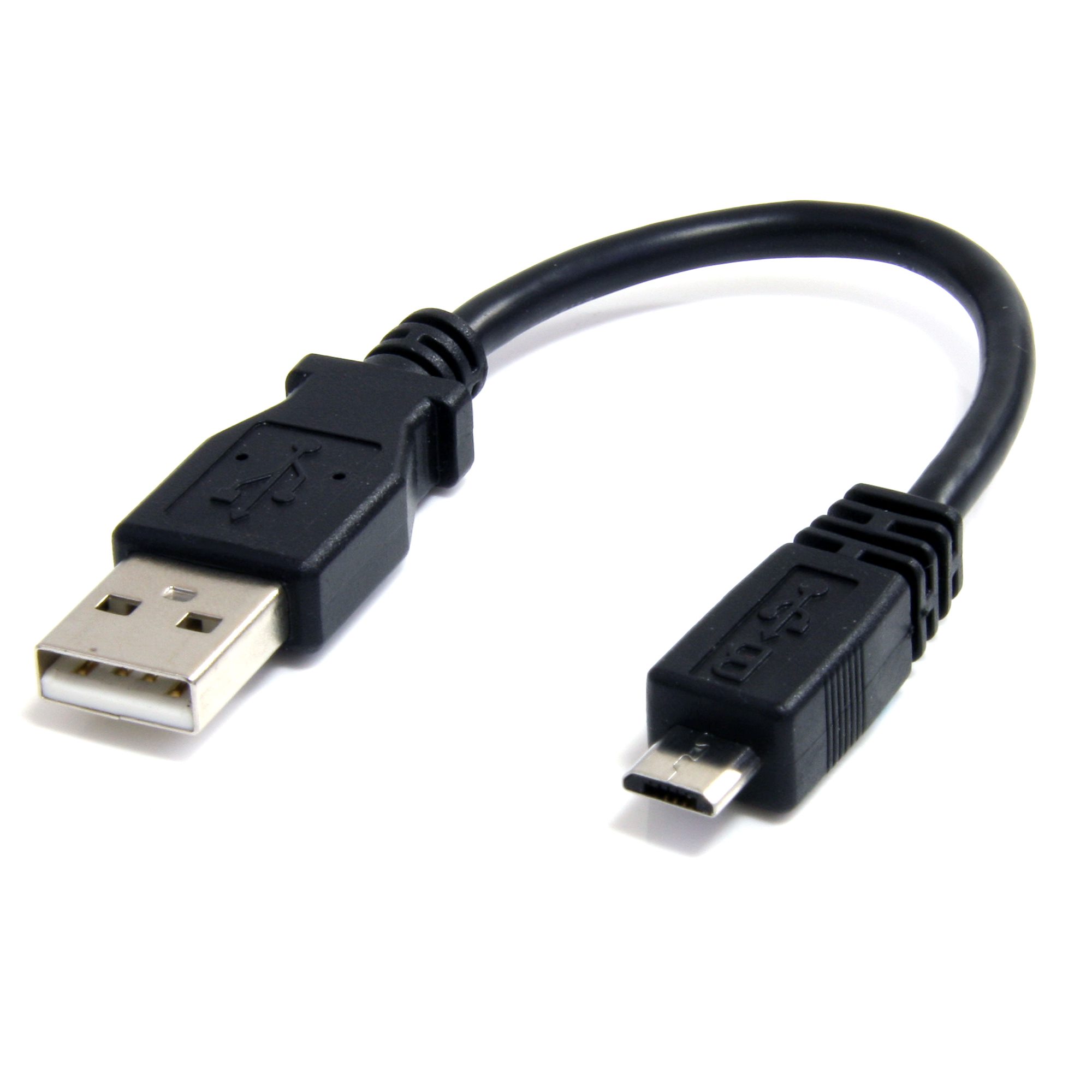
The Evolution of USB: From A to C and Beyond
The evolution of USB technology has transformed the way we connect and power our devices. Starting from its inception in the late 1990s, USB (Universal Serial Bus) aimed to simplify the process of connecting peripherals to computers. The original USB 1.0 and 1.1 offered a maximum data transfer rate of 12 Mbps, paving the way for USB 2.0, which introduced faster speeds of up to 480 Mbps. As technology advanced, the introduction of USB 3.0 and later versions brought significant improvements, including transfer rates of up to 5 Gbps and dual-bus architecture, making data transfer faster and more efficient than ever before.
With the arrival of USB Type-C, we witnessed a complete redesign of the USB interface. This new connector is reversible, meaning it can be plugged in either way, eliminating the frustration of incorrect orientations. Additionally, USB-C supports power delivery up to 100W, making it capable of charging various devices, from smartphones to laptops. As we look to the future, the ongoing advancements in USB technology, including potential standards like USB4, promise even greater speeds, improved compatibility, and enhanced features, keeping pace with the ever-growing demands of modern digital life.
Counter-Strike is a highly popular first-person shooter game that emphasizes teamwork and strategy. Players can choose to join either the terrorist or counter-terrorist side, each with specific objectives. The game is known for its competitive scene and various iterations, with Counter-Strike: Global Offensive being the most recent. For gamers looking to enhance their gaming experience, you might also be interested in the Top 10 iphone charging cables that provide reliable performance and durability.
Common USB Issues and How to Troubleshoot Them
USB devices are essential in our daily tech lives, but they can sometimes encounter issues that hinder their performance. One of the most common problems is USB device not recognized. This can happen due to a variety of reasons including outdated drivers, a faulty USB port, or the device itself being damaged. If you find yourself in this situation, you can troubleshoot by checking if the device works on another computer, trying a different USB port, or updating the driver through the Device Manager in your operating system.
Another frequent issue is slow data transfer rates. This can be incredibly frustrating when you're in a hurry to transfer large files. Sluggish performance might be caused by an outdated USB standard, such as using a USB 2.0 port when a USB 3.0 port is available, which significantly speeds up transfer rates. To fix this, ensure that you are using the correct port and that both the device and the port support the same USB version. Additionally, consider checking for any background applications that may be using CPU resources and slowing down the system overall.
The Future of Connectivity: What’s Next for USB Technology?
The future of connectivity is poised for groundbreaking advancements, particularly in the realm of USB technology. As devices continue to evolve and our demand for faster data transfer and increased power delivery rises, USB standards are set to transform. The introduction of USB4, which supports speeds of up to 40 Gbps and incorporates Thunderbolt 3 compatibility, demonstrates the direction of USB innovation. Furthermore, as more devices adopt USB-C as a universal connector, we can expect a streamlined experience across smartphones, laptops, and peripherals, ultimately enhancing user convenience.
Moreover, the future looks bright for USB technology with the advent of features like improved charging capabilities and the potential for wireless data transfer. Companies are exploring the possibility of wireless USB connections, which would eliminate the need for physical cables while maintaining high-speed connectivity. As we look ahead, we can anticipate a shift toward smarter, more versatile USB devices that cater to our evolving digital lifestyles. Embracing these changes will be vital for both consumers and manufacturers, ensuring they stay at the forefront of the connectivity revolution.